







Technical Use of Feldspar in Ceramic Industries
Are you curious about the magic ingredient that gives ceramics their strength, durability, and beautiful finish? Look no further than feldspar! This versatile mineral plays a crucial role in the technical aspects of ceramic production, making it an indispensable component in industries ranging from tile-making to tableware manufacturing. Let’s delve into the fascinating world of feldspar and explore its technical use in ceramic industries.
Technical Analysis of Feldspar
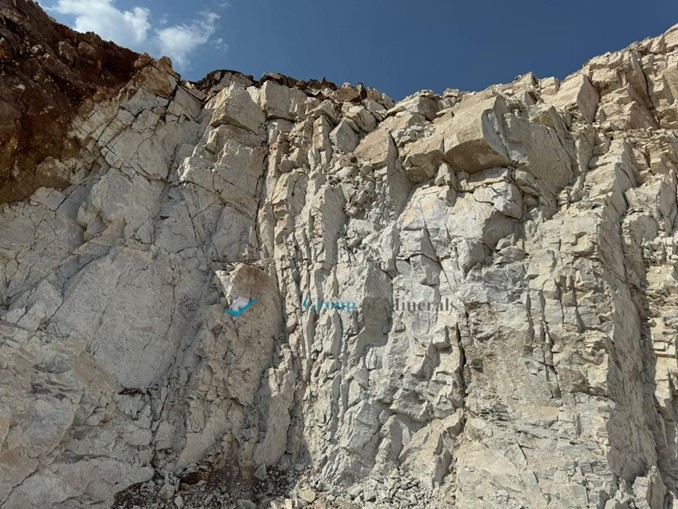
Feldspar, a common mineral found in the Earth’s crust, is a key player in the ceramic industry. Through detailed technical analysis, experts can determine the specific composition and characteristics of feldspar specimens. This analysis involves studying its chemical makeup, crystal structure, and physical properties to ensure its suitability for various ceramic applications. By understanding the unique properties of different types of feldspar, manufacturers can tailor their formulations to achieve desired outcomes in terms of color, hardness, and thermal stability. Technical analysis also helps identify impurities that could affect the quality or performance of ceramics produced using feldspar as a raw material. Delving into the technical intricacies of feldspar allows ceramic professionals to harness its potential fully and create high-quality products that meet industry standards.
Technical Use in Ceramic Industries
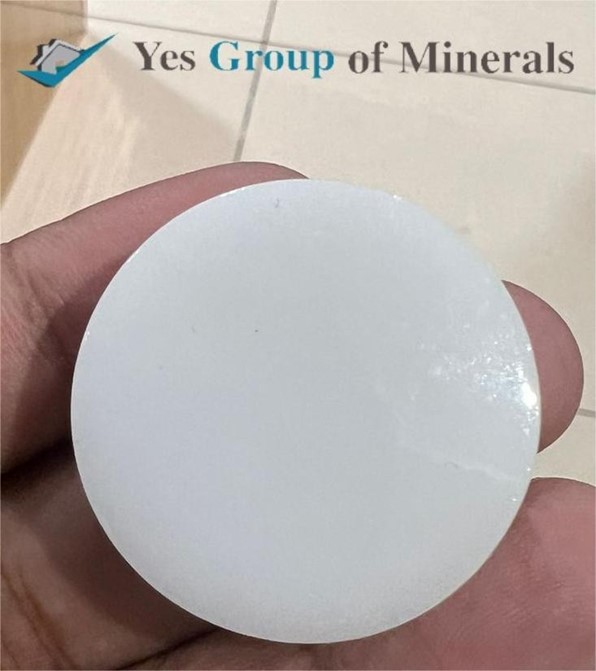
Feldspar, a versatile mineral widely used in ceramic industries, plays a crucial role in enhancing the technical properties of ceramics. Its unique chemical composition contributes to the strength and durability of ceramic products such as tiles, sanitary ware, tableware, and technical ceramics. In the production process of ceramics, feldspar is utilized as a fluxing agent to lower the melting temperature of raw materials. This ensures proper vitrification and helps create a dense and non-porous structure in finished ceramic products. Additionally, feldspar acts as a filler material that aids in reducing shrinkage during firing processes. It also improves the thermal shock resistance of ceramics by promoting even heat distribution throughout the material. Moreover, feldspar’s high alumina content enhances the plasticity of clay bodies used in ceramic manufacturing. This results in improved workability during shaping processes like molding and throwing on pottery wheels. Feldspar’s technical contributions make it an indispensable component in producing high-quality ceramics for various applications across different industries.
Technical Properties of Feldspar
Feldspar is undeniably a crucial component in the ceramic industry, playing a significant role in enhancing the technical properties of various ceramic products. Its versatility and ability to improve characteristics such as hardness, durability, and thermal stability make it an indispensable material for manufacturing tiles, sanitary ware, tableware, and technical ceramics. With its excellent chemical composition and unique physical properties, feldspar contributes to the overall quality and performance of ceramic products. Its use in glazes, bodies, and as a fluxing agent ensures that ceramics meet stringent industry standards while also offering aesthetic appeal. Incorporating feldspar into ceramic production processes requires careful consideration of its technical properties to achieve desired outcomes. By understanding how feldspar influences the behavior of other raw materials during firing cycles and its impact on final product characteristics like color development and texture formation, manufacturers can optimize their formulations for superior results. In conclusion (without using those words), mastering the technical properties of feldspar is essential for leveraging its full potential in ceramic industries. As technology advances and market demands evolve, continued research into feldspar’s capabilities will undoubtedly lead to innovative applications that push the boundaries of what is possible in ceramic production.