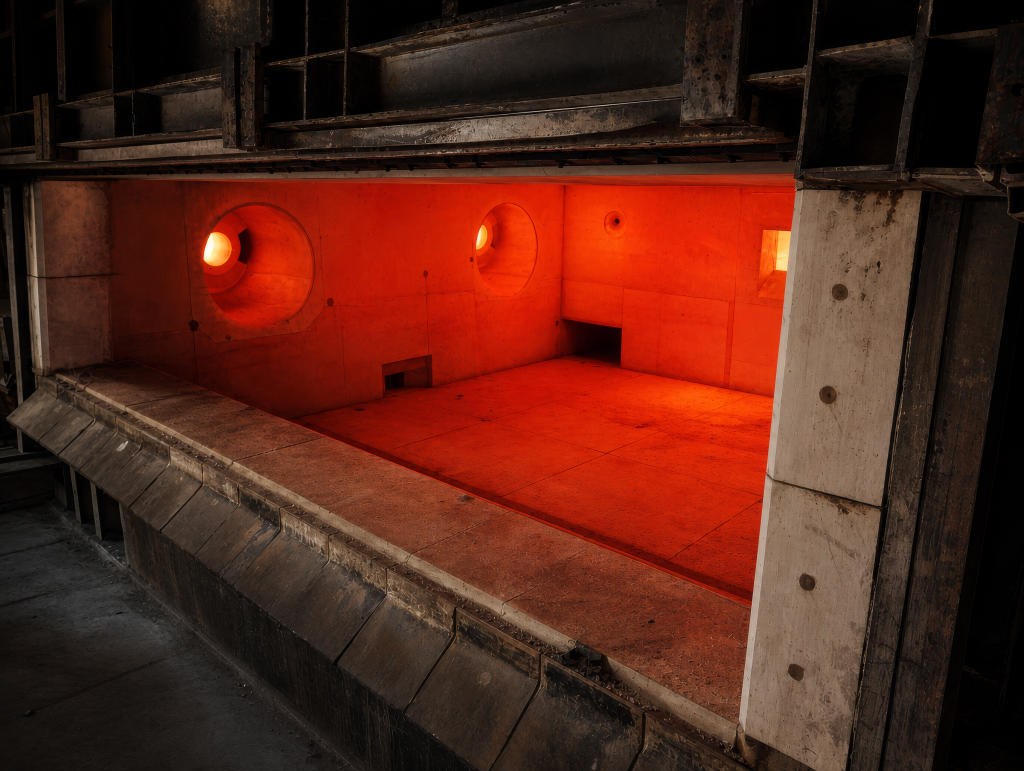







Every ceramic manufacturer understands the cost of heat.
Whether producing tiles, sanitaryware, refractories, advanced ceramics, or technical components, a significant portion of manufacturing cost ultimately disappears through thermal processing. Kilns, furnaces, dryers, and firing systems consume vast amounts of energy, making thermal efficiency one of the industry’s most important operational priorities.
For decades, ceramic manufacturers have focused on optimizing firing cycles, improving burner technologies, and enhancing kiln designs. Yet one area continues to attract growing attention: the development of lighter and more efficient insulation materials capable of reducing heat loss throughout the production process.
This is where an often-overlooked industrial mineral deserves closer examination.
Diatomaceous Earth.
While the material is widely recognized in filtration and absorbent applications, its potential contribution to ceramic insulation and refractory technology remains relatively underappreciated.
As energy costs rise and sustainability targets become increasingly demanding, Diatomaceous Earth may offer valuable opportunities for manufacturers seeking improved thermal performance without relying solely on complex engineered materials.
More Than Just a Silica Source
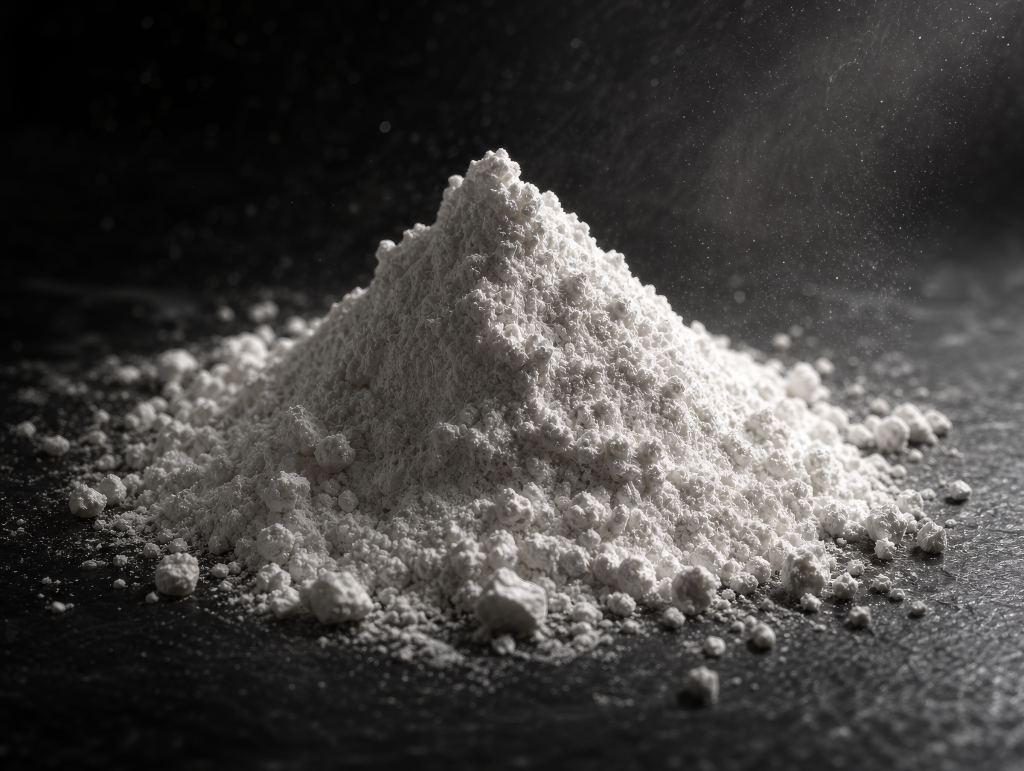
Diatomaceous Earth, also known as diatomite, is a naturally occurring siliceous sedimentary material formed from the fossilized remains of microscopic aquatic organisms known as diatoms.
Technical Profile
Chemical Name: Amorphous Hydrated Silica (Diatomite)
Chemical Formula: SiO₂·nH₂O
Chemical Family: Siliceous Industrial Mineral
Major Constituent: Silicon Dioxide (SiO₂)
Typical Chemical Composition
- Silicon Dioxide (SiO₂): 80–95%
- Aluminum Oxide (Al₂O₃): 2–8%
- Iron Oxide (Fe₂O₃): 0.5–4%
- Calcium Oxide (CaO): 0.2–3%
- Magnesium Oxide (MgO): 0.2–2%
- Potassium and Sodium Oxides (K₂O + Na₂O): 0.5–5%
However, chemistry alone does not explain why researchers continue to investigate the material.
The ceramic industry already possesses numerous silica sources.
The real value of Diatomaceous Earth lies in its structure.
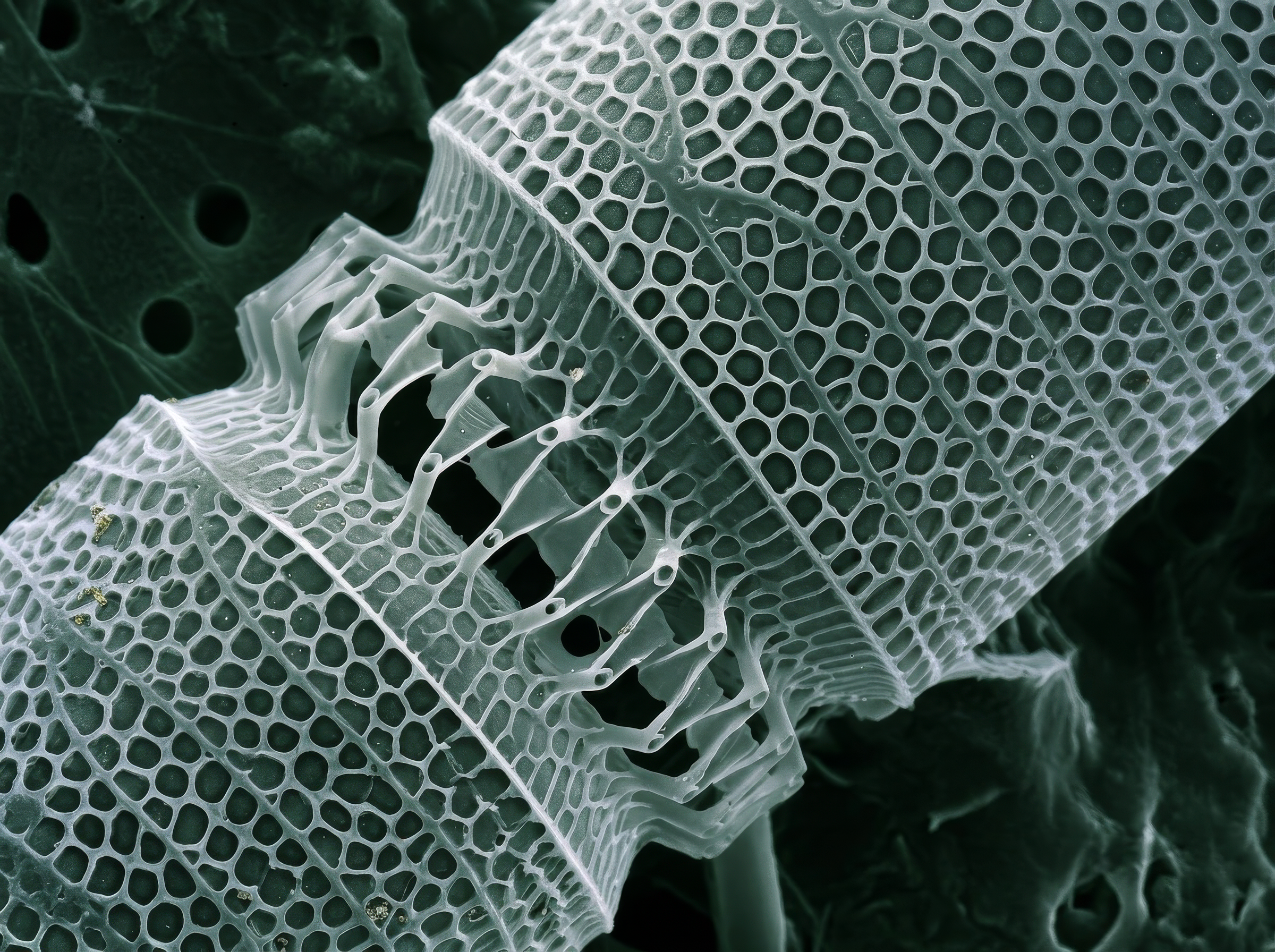
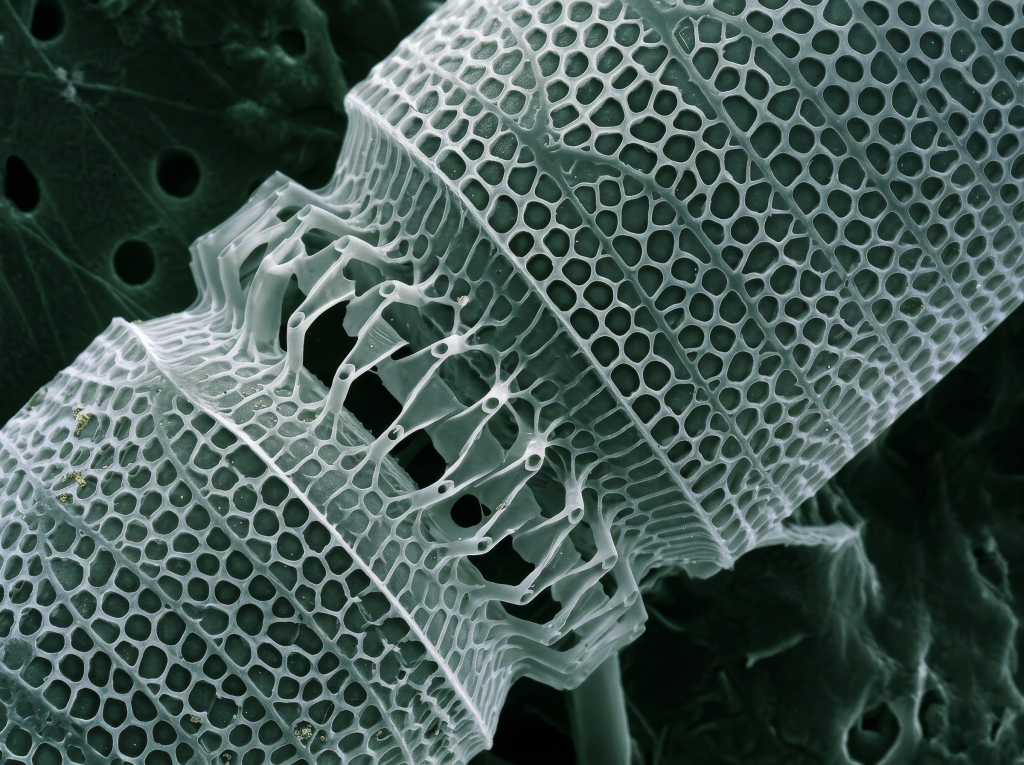
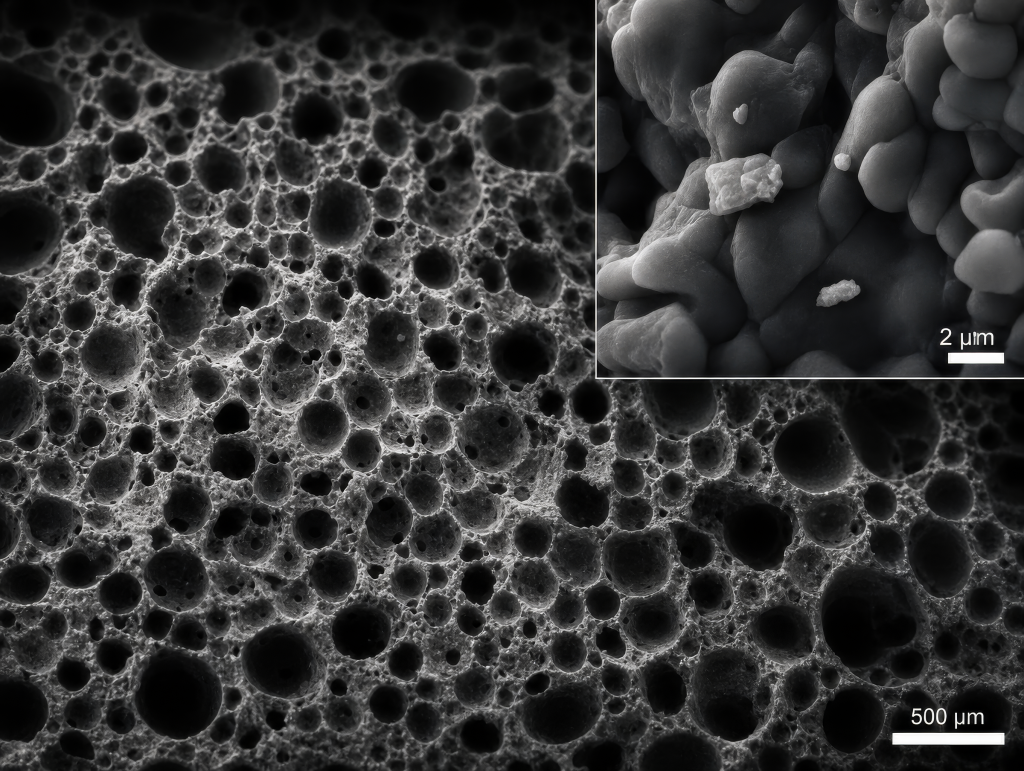
Unlike dense silica minerals, Diatomaceous Earth consists of highly porous microscopic skeletal frameworks. These naturally occurring pores create an exceptionally low-density material with a large internal surface area.
In practical terms, manufacturers are obtaining both silica and engineered porosity from a single naturally occurring raw material.
This combination is uncommon and increasingly relevant to modern refractory design.
Why the Ceramic Industry Cares About Porosity
For most ceramic products, porosity is considered undesirable.
Dense floor tiles, porcelain, sanitaryware, and structural ceramics are designed to minimize open pores in order to maximize strength, durability, and resistance to moisture penetration.
Insulating refractories operate according to a different principle.
Their primary purpose is not to carry heavy loads.
Their primary purpose is to prevent heat from escaping.
The most effective thermal insulator available inside a ceramic structure is often air itself.
When microscopic air pockets are distributed throughout a refractory body, thermal conductivity decreases significantly. Less heat travels through the material, resulting in improved insulation performance.
The challenge has always been controlling porosity without completely sacrificing structural integrity.
Diatomaceous Earth offers a naturally occurring pathway to achieve this balance.
Why Refractory Manufacturers Are Paying Attention
The most promising application of Diatomaceous Earth is not in conventional ceramic bodies.
Its greatest potential lies within lightweight refractory products and thermal insulation systems.
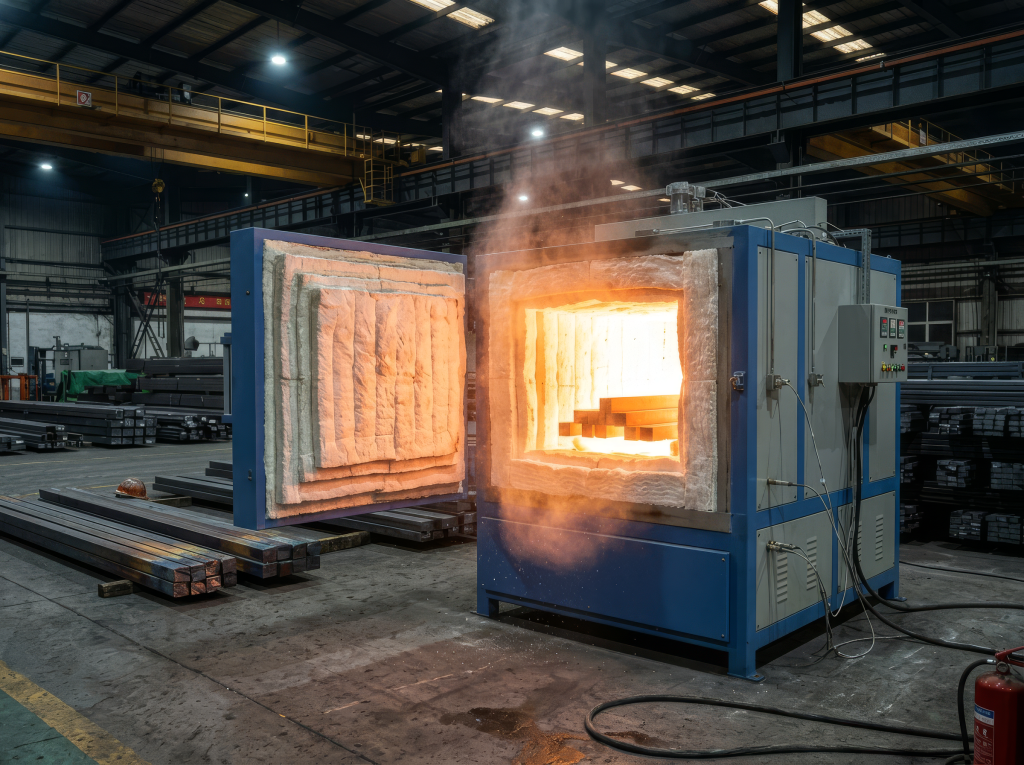
Industrial furnaces lose energy every hour they operate.
Even modest reductions in heat loss can produce substantial savings over the lifespan of a kiln or furnace installation.
Because of its low density and naturally porous structure, Diatomaceous Earth can contribute to refractory formulations designed to reduce thermal conductivity while maintaining acceptable service performance.
Potential benefits include:
- Reduced bulk density
- Lower thermal conductivity
- Improved insulation efficiency
- Reduced heat loss
- Lower energy consumption
- Faster heating cycles
- Reduced thermal mass
For operators managing energy-intensive processes, these benefits directly influence production costs.
In many cases, the economic value of improved insulation exceeds the initial cost of the refractory material itself.
The Opportunity in Lightweight Insulating Fire Bricks
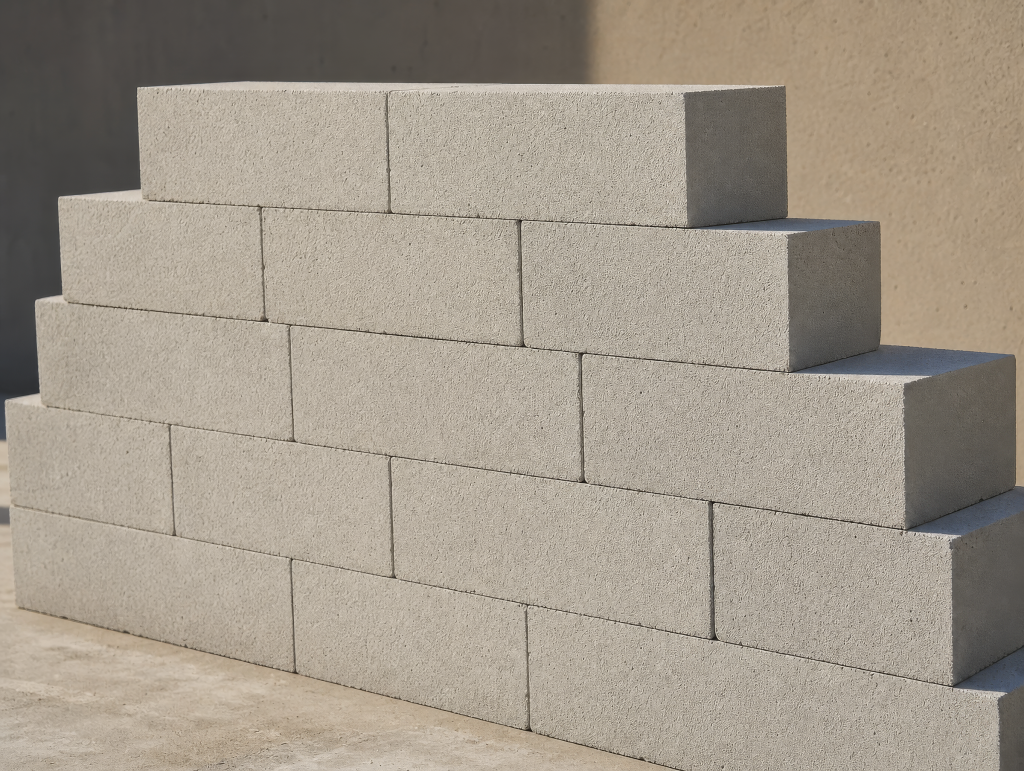
One of the most commercially practical applications for Diatomaceous Earth is in insulating fire bricks.
Traditional dense refractories are designed to withstand severe mechanical and thermal conditions. However, their density often allows greater heat transfer compared with specialized insulation materials.
Insulating fire bricks are different.
Their role is to retain heat within the furnace while minimizing energy losses to the surrounding environment.
The naturally porous microstructure of Diatomaceous Earth makes it particularly attractive for this category of products.
By incorporating the material into suitable refractory formulations, manufacturers can reduce density while maintaining the thermal stability required for high-temperature service.
As industries continue pursuing lower operating costs and improved sustainability, demand for advanced insulation materials is expected to grow.
If the Material Is So Useful, Why Isn’t Everyone Using It?
This is perhaps the most important question.
If Diatomaceous Earth offers such attractive characteristics, why has it not become a dominant refractory raw material?
The answer lies in the trade-offs.
Every material provides advantages while introducing limitations.
Diatomaceous Earth is no exception.
Its highly porous structure can create challenges during manufacturing and product design.
Potential concerns include:
- Lower mechanical strength compared with dense refractory materials
- Higher water demand during processing
- Variability between geological deposits
- Increased susceptibility to crushing under heavy loads
- Reduced abrasion resistance
- Challenges in balancing strength and insulation performance
For these reasons, Diatomaceous Earth cannot simply replace conventional refractory aggregates.
Instead, it must be used strategically in applications where thermal insulation is more valuable than maximum structural strength.
Understanding this distinction is essential.
The material succeeds not because it solves every problem, but because it solves specific problems exceptionally well.
The Energy Equation
The ceramic industry is entering an era where energy efficiency is no longer optional.
Manufacturers worldwide face increasing pressure from:
- Rising fuel costs
- Carbon reduction targets
- Sustainability commitments
- Energy security concerns
- Environmental regulations
This is driving greater interest in lightweight refractory technologies.
A refractory lining that reduces heat loss by even a small percentage can generate meaningful savings over years of continuous operation.
Consequently, the future value of Diatomaceous Earth may be measured less by its raw material cost and more by the operational efficiencies it helps create.
The conversation is shifting from:
“What does this material cost?”
to
“How much energy can this material help save?”
That distinction changes how industrial minerals are evaluated.
Future Potential Beyond Traditional Insulation
While insulating refractories remain the most immediate opportunity, researchers continue exploring additional applications.
Potential future areas include:
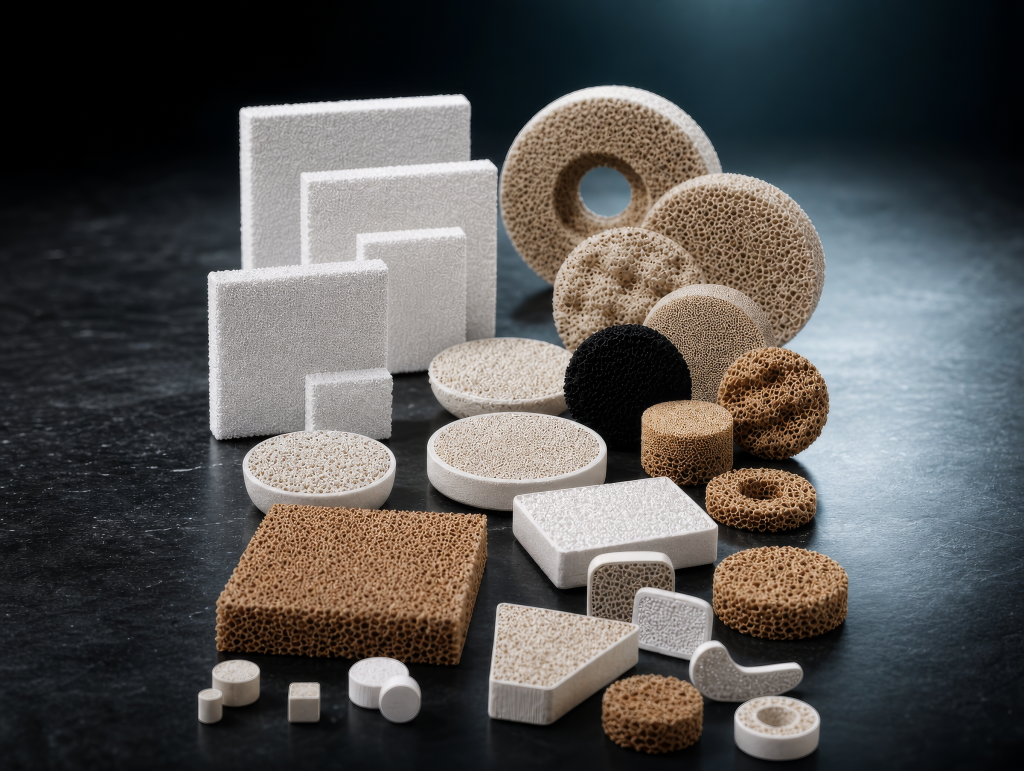
- Porous technical ceramics
- High-temperature filtration systems
- Catalyst support structures
- Lightweight kiln furniture
- Advanced thermal barrier materials
- Energy-efficient ceramic composites
Many of these technologies rely on controlled microstructures rather than maximum density.
This trend aligns closely with the natural characteristics of Diatomaceous Earth.
As ceramic engineering increasingly focuses on functionality rather than simply strength, naturally porous minerals may play a larger role in future material development.
Conclusion
Diatomaceous Earth is unlikely to replace traditional ceramic raw materials such as alumina, silica, feldspar, or clay.
Nor is it a universal solution for every refractory application.
However, evaluating the material solely as a silica source misses its greatest advantage.
Its true value lies in its naturally engineered porous architecture.
For manufacturers seeking lighter refractory products, improved insulation performance, reduced thermal conductivity, and lower energy consumption, Diatomaceous Earth represents a material worthy of closer attention.
In an industry increasingly focused on efficiency, sustainability, and thermal optimization, one of the most promising solutions may come not from a newly invented material, but from a microscopic structure that nature perfected millions of years ago.