







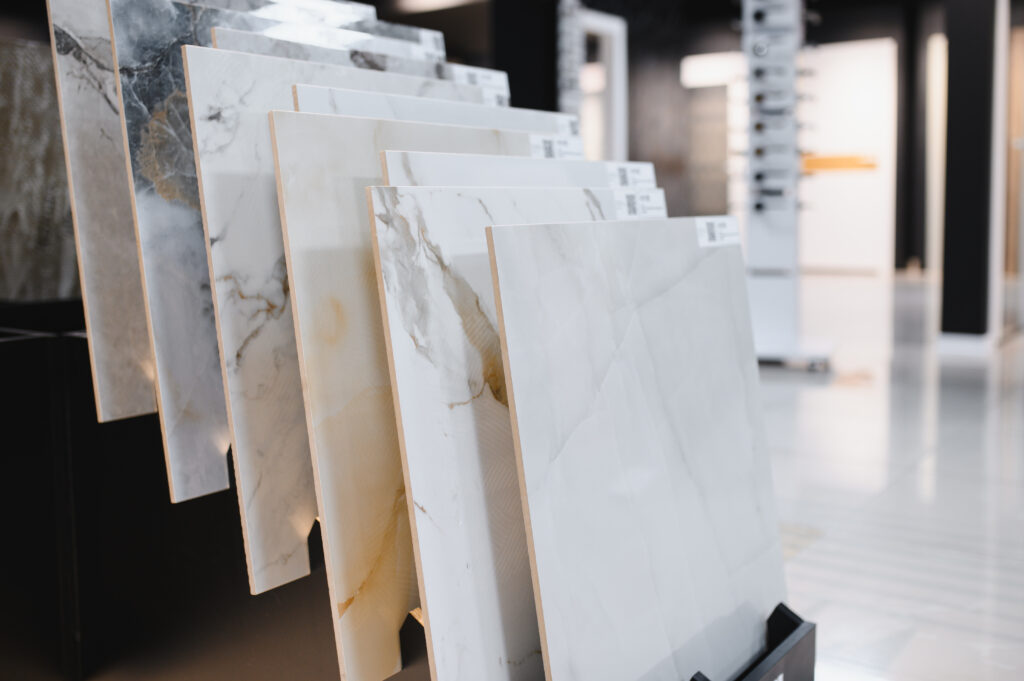
Tiles have been everywhere from the Ishtar Gate of Babylon in 575 B.C. to the modern marvel – Burj Khalifa. We have come a long way from the creation of handmade tiles in few numbers to the massive production of more than 25,000 SQM/Day. But the like any other industry the innovation need not to stop, irrespective of the market or economic conditions.
Lately, the cost of production for tiles is increasing every other day due to rising energy costs, and increased fixed costs. Consequently, at the same time, the retail prices for ceramic products are going down internationally. Making it even more challenging to discover new emerging raw materials (to reduce the production cost) and developing new body and surfaces, due to reduced R&D budgets across the board.
But the race to have a unique competitive edge is still driving the need to find the next best thing that can facilitate the advancement of the industry as a whole in the form of new glaze surfaces, different body types for tiles, sustainable manufacturing processes, and ways conserving more energy. We are already witnessing a shift from the use traditional raw materials and manufacturing practices, towards materials that can revolutionize and give a new boost to the ceramics.
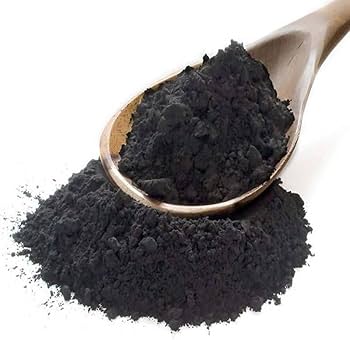
One of the most interesting materials which can fuel a big change the production process, is Graphene Oxide (C70H26O11). Graphene stands out from the rest for being tough, flexible, light, and with a very high thermal conductivity. It is 200 times more resistant than steel and five times lighter than aluminium. With these properties, it has immense number of applications in the energy, construction, health, and electronics sectors and many other industries.
The high thermal conductivity of Graphene Oxide opens doors for various use cases in the ceramic industry. (The thermal conductivity of Graphene Oxide depends on the degree of oxidation and can range from starting with 8.8 W/mK to way higher figures.)
The biggest use-case for Graphene Oxide in ceramic industry lies in using it as a part of the raw materials that constitute the body of the tile. The addition of Graphene can facilitate the production of tiles with reduced kiln temperature and smaller firing cycle for the baking of tiles. Which in turn can help in increasing the production capacity at way lower costs.
This is mainly due to poor thermal conductivity of minerals present in the traditional raw material for ceramics. Such as feldspar, which has a thermal conductivity of 1.80 – 2.30 W/mK; Ball clay, which has a thermal conductivity of 1.12-3.40 W/mK, while quartz has a thermal conductivity of 1.10 W/mK, making all of these materials, poor thermal conductors. Addition of Graphene Oxide to it can help counter this property of and be a game changer for the industry.
Over the past two years, this study on the utilization of Graphene in ceramics has been carried out in collaboration with Dr. Chandresh Agrawal. In the last three months, we have conducted tests on the application of this material, resulting in a significant 25% reduction in the firing cycle for the kiln. This successful outcome demonstrates the practicality and potential of incorporating Graphene into the commercial production of ceramics.


Amod Katiyar
Scientist | Ceramic Technologist | Entrepreneur
Dr. Chandresh Agrawal
CEO (Global Operations) Mactus Mineral LLP and International Ceramic Consultant, DUBAI